Verified Vedic Astrology & Pooja Guide | Ujjain Ground Support Desk
Published by: Ujjain Darshan Travel & Spiritual Support Desk (Ground Support Since 2010)
Verified Against: Jyotish Shastra Manuscripts & Local Vedic Scholars | Updated: August 2026
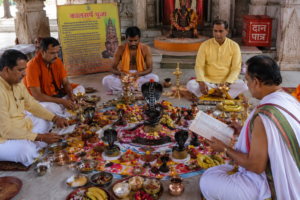
In Vedic astrology, Kaal Sarp Dosh (or Kaal Sarp Yog) is formed when all seven planets (Surya, Chandra, Mangal, Budh, Guru, Shukra, and Shani) are trapped between the shadow planets Rahu (dragon’s head) and Ketu (dragon’s tail) in an individual’s horoscope. Performing the Vedic Kaal Sarp Dosh Nivaran Pooja in Ujjain—the land of Lord Mahakal and Nagchandreshwar—is considered highly potent in neutralizing astrological obstacles, mental anxiety, and career delays.
🐍 Major Types of Kaal Sarp Dosh & Their Impact
| Type of Dosh | Rahu-Ketu Placement | Primary Life Impact |
|---|---|---|
| Anant Kaal Sarp Dosh | Rahu in 1st House, Ketu in 7th House | Mental stress, marital conflicts & delayed marriage |
| Kulik Kaal Sarp Dosh | Rahu in 2nd House, Ketu in 8th House | Financial instability, health issues & family misunderstandings |
| Vasuki Kaal Sarp Dosh | Rahu in 3rd House, Ketu in 9th House | Obstacles in career growth, high effort with low returns |
| Shankhpal Kaal Sarp Dosh | Rahu in 4th House, Ketu in 10th House | Property disputes, maternal health worries & business hurdles |
| Padma / Mahapadma Dosh | Rahu in 5th/6th House, Ketu in 11th/12th House | Education delays, offspring related challenges & litigation risks |
Why Ujjain is the Ideal Sacred Location for Remedies
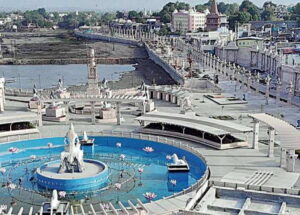
Ujjain holds supreme importance in Vedic literature for Rahu-Ketu and Nag Dosh pacification:
- Seat of Mahakal: Lord Shiva is the supreme master of time (Kaal) and serpent forces. Performing remedies under His cosmic realm dissolves karmic blockages.
- Holy Shipra Riverbanks & Ram Ghat: Rituals performed near Ram Ghat and Siddhavat carry special spiritual vibrations for ancestral and planetary peace.
- Shree Nagchandreshwar Shrine: The rare shrine on the third floor of Mahakaleshwar Temple opens only once a year on Nag Panchami, underscoring Ujjain’s deep connection with serpent energy.
🔥 Special Offer: 50% OFF
Visiting Ujjain for Pooja & Need Mahakal Darshan?
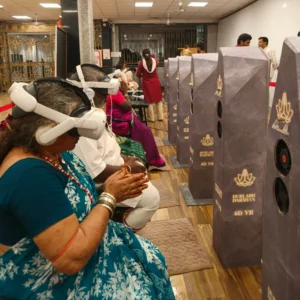
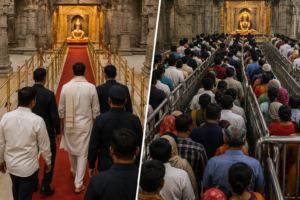
Complete your spiritual trip by attending Lord Mahakal’s sacred 4:00 AM Bhasma Aarti! If offline tickets are unavailable due to heavy pilgrim rush, experience the whole ritual up close in realistic 3D/5D Virtual Reality near Mahakal Corridor with up to 50% discount.
❓ Frequently Asked Questions
How long does the Kaal Sarp Dosh Pooja take to perform?
The complete Vedic ritual, including Rahu-Ketu Jaap, Rudrabhishek, and Rahu-Ketu Nag Pratima Visarjan, usually takes between 2 to 3 hours.
Are there any specific dress codes or samagri rules for the pooja?
Traditional Indian attire (Dhoti/Kurta for men and Saree/Salwar suit for women) is recommended. Avoid wearing black or navy blue clothes during the ritual.
How can I schedule an authorized Vedic Pandit and hotel stay in Ujjain?
You can contact our direct ground support helpdesk to schedule authorized Ujjain Pandits, complete pooja samagri, AC hotel stays near Mahakal Corridor, and taxi transfers with zero extra markups.
🏨 Direct Hotel Booking, Local Taxi & Authentic Pooja Desk
Skip high commissions! Get direct hotel availability, reliable taxi transfers, and authentic Vedic pooja bookings through our local ground support team:
- Verified Stays: Clean AC/Non-AC rooms near Mahakal Corridor, Station & Freeganj
- Authentic Vedic Pooja: Mangal Dosh Nivaran (Mangalnath Temple), Kaal Sarp Dosh, Rudrabhishek & Maha Mrityunjaya Jaap by authorized Ujjain Pandits
- Local Taxi Rentals: Mahakal Darshan, Kal Bhairav, Mangalnath, Omkareshwar & Airport Transfers
- Direct Contact: Zero booking markups with direct hotel & pooja confirmation
7201092290
🛕 Visiting Mahakaleshwar?
Couldn't secure an early morning physical Bhasma Aarti pass at Mahakal? Experience the divine ritual in immersive 3D/5D Virtual Reality right inside the temple complex.
👉 Check VR Bhasma Aarti Timings & Slots